weaz-am-i
2026-01-06 01:27
While EVs do present a problem, I am fairly certain that in a residential wildfire there are many more chemicals and metals released that would not normally be inhaled in a typical fire.
Most households contain cleaning products, paints, pesticides and fertilisers, along with a wide range of other items that become unstable when exposed to fire and are then released into the air.
That said, there are definite risks associated with EVs. Once they ignite under these conditions, there is very little that can be done to stop the fire until the lithium is fully oxidised.
On the bright side, forest fires are comparatively more organic.
wootnootlol
2026-01-06 01:27
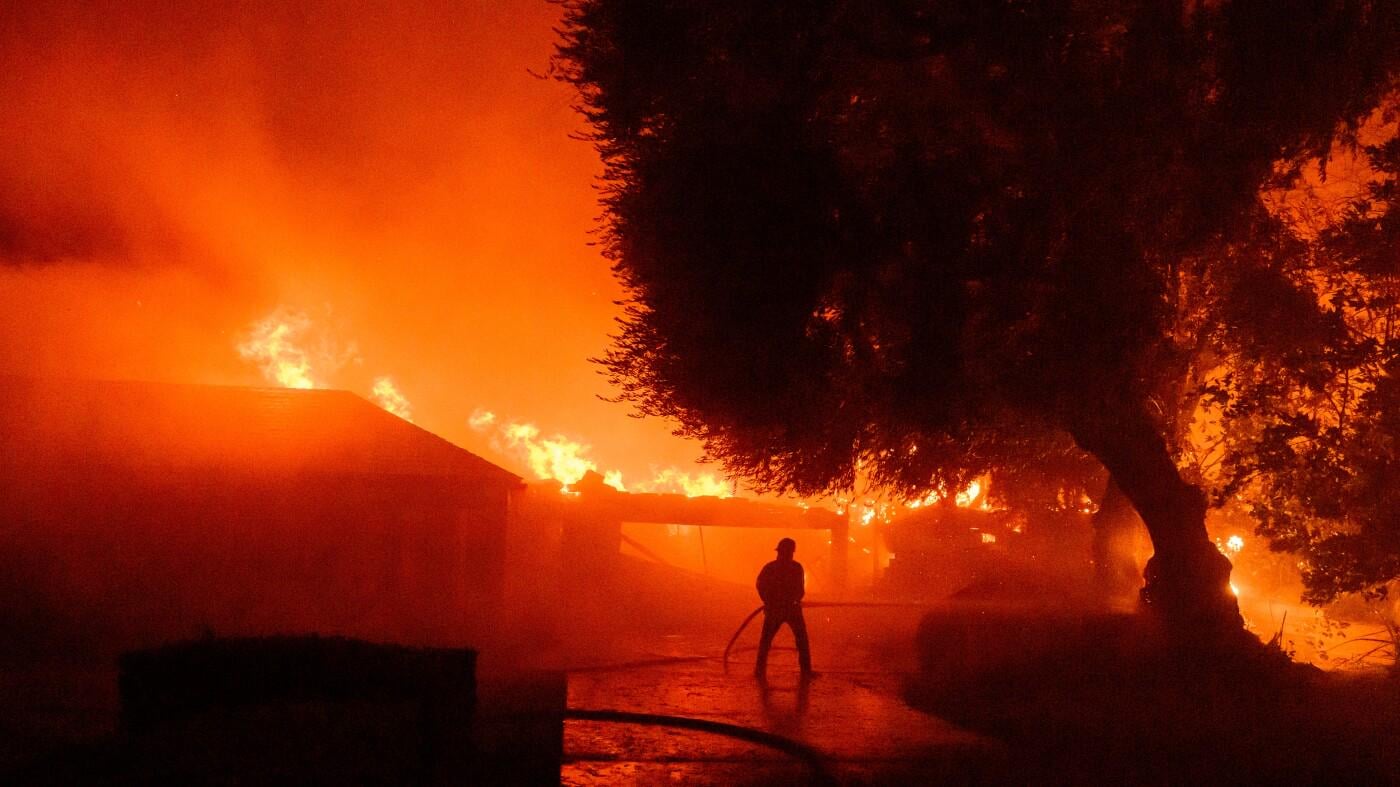
Battery fires are dirty, yes. But any fire is dirty and fumes are full of horrible stuff in it, especially in a large fires like Palisades.
Firefighters should always be equipped with proper respirators and other body protection and EV batteries have nothing to do with it.
Engunnear
2026-01-06 01:43
The title change is well within the spirit of Rule 5. You’re good.
blu3ysdad
2026-01-06 02:48
Pretty sure smoke and chemicals in fire are bad/poisonous just in general, there is really no need to isolate EV batteries. Big tanks of gasoline can also be slightly dangerous in a wildfire.
bobi2393
2026-01-06 03:26
My feedback on the title is that what you chose isn't supported or alleged in the article. The word "poison" is never used. No medical diagnoses were cited.
According to the firefighter being interviewed:
* Many EV batteries exploded, apparently causing concussive blasts.
* One firefighter expressed long term cancer fears "because of the things that burned".
* Several firefighters sensed unusual breathing problems.
* One firefighter had severe breathing problems and collapsed after returning home.
But nothing in the article connects exploding EV batteries to any illness, symptoms, or poisons. It's already well established that burning Li-Ion batteries release chemicals that are unsafe to breathe, so it's a safe bet that it contributed to health problems, but it's also unsafe to breathe burning plastics found in most cars and houses, or even burning wood. Inhaling smoke from any of that can make people sick or kill them, whether or not there are Li-Ion batteries in the mix.
weasel_face
2026-01-06 04:37
Agreed. Smoke from a couch or carpeting burning can drop you in one breath. Proper respirators are the answer.
torokunai
2026-01-06 05:14
smoke from a *tree* is carcinogenic
SolutionWarm6576
2026-01-06 13:12
Bullish!!! Stock over 500 by end of the week.
Purple_Concentrate64
2026-01-06 18:10
Good for you!
Purple_Concentrate64
2026-01-06 18:12
True. I think the difference is they had studies on fire smoke from history, we've had these other household products for a long time.
But massive EV lithium batteries are new, burn intensely for a long time, and the firefighters here don't seem confident that it has been studied. Right now EV smoke is a new concept, and for firefighters' sake or even surrounding communities, the automakers should fund studies to ensure EV smoke isn't worse than other "household" smoke or come up with technology to help firefighters manage EV smoke if so
Purple_Concentrate64
2026-01-06 18:16
Those firefighters were equipped with proper PPE and they could still tell a difference from a mountainous rural fire vs the suburban / city fire where EV batteries were burning .
So the smoke is not the same and currently an unknown as to its effects.
I think if you were a firefighter or know one, you'd want Tesla and other automakers to study what's in a EV battery fire and if current PPE is effective at combatting it?
The first responders on 9/11 also has PPE but still got cancer anyway from asbestos used in the towers. When the tower's builders originally installed the asbestos, they didn't study strongly enough the possible effects of it in a fire or collapse, and ended up hurting the firefighters by accident.
So I think Tesla, GM, etc should strongly study the breathing effects of EV fires to either ensure it's not worse than other fires and to ensure firefighters have proper equipment to deal with the fumes. (If new equipment is necessary)
The reason these firefighters were concerned was (evidently) the smoke was different from past fires they fought. The difference was the EV batteries burning. Is that difference in symptoms an indication of future cancers or are they still safe? Only scientific studies can tell, but evidently those studies haven't happened yet
Purple_Concentrate64
2026-01-06 18:19
I'd say EVs are new. If you could choose to be exposed to a house fire smoke, which has been studied and has known effects/mitigation, or to be exposed to an EV battery fire, which the report described as having unknown effects, which would you choose?
I'd choose the house fire because at least we know the PPE firefighters use help. The EV fire, I'd want more studies on before exposing myself to it. It *could* be no more harmful than a burning tree, but it *could* be even worse and cause a higher incidence of cancer than before. And I don't want firefighters to get a higher chance of cancer from an EV battery (which is essentially a massive cocktail of chemicals self igniting), and we just don't know right now if there is an increased risk.
So automakers should fund more studies! The problem here, they've defunded any government agencies involved in conducting such research so the automakers should take responsibility and step in
Purple_Concentrate64
2026-01-06 18:21
You're right. I defined poisoned as in the firefighter in the story went home and collapsed from illness due to the chemical laden smoke, which poisoned him into illness. So I thought that the firefighter can be considered "poisoned," *temporary* or not.
Maybe the issue with that is the word poison is often describing permanently damaging damage from ingesting a chemical, but "poison" as a verb includes temporary effects (potentially lifelong is their concern)
**Still I would've chosen a different word based on your feedback due to its ambiguity. Good feedback** 👍
> poison /poi′zən/
noun
A substance that causes **injury, illness,** or death, especially by chemical means.
Something destructive or fatal. A substance that inhibits another substance or a reaction.
"a catalyst poison."
transitive verb
To kill or **harm** with poison.
Purple_Concentrate64
2026-01-06 18:21
Whew! Thank you
Purple_Concentrate64
2026-01-06 18:26
Here is a Google comparison of battery fires vs house fire, not sure how accurate it is but batteries do have lots of heavy metals.
>EV Battery Smoke: Extremely hazardous, causing immediate respiratory irritation, nausea, dizziness, and potential long-term issues like cancer or neurological damage due to heavy metal inhalation.
>Normal House Fire Smoke: Still dangerous (CO poisoning, irritation), but lacks the specific heavy metal threat of EV batteries.
>EV battery smoke is significantly more toxic than typical house fire smoke due to heavy metals (lithium, cobalt, nickel) and fluoride particulates, releasing chemicals like hydrogen cyanide, causing severe respiratory and neurological risks, while normal fires primarily involve wood/synthetic materials, producing soot and carbon monoxide; EV fires are hotter, harder to extinguish, and prone to reignition, demanding full PPE and massive water, but house fires are generally more common.
Purple_Concentrate64
2026-01-06 18:27
Here's a quote from a study describing the dearth of research on lithium battery fire smoke's toxicity:
> Lithium-ion batteries (LIB) are widely used in electric vehicles (EVs) for their high energy density. However, their fire safety causes concerns because of the toxic gases emission and the challenge to extinguish. The type and quantity of **toxic gases released during battery fires remain among the least studied hazards, with limited data available despite their serious health risks**
https://www.sciencedirect.com/science/article/abs/pii/S0378775325017501
For the health of firefighters, automakers should study battery fires. I'll write to my congressman about it,
Purple_Concentrate64
2026-01-06 18:38
Here's the difference in chemical emissions from a house fire and EV fire, according to Google
https://share.google/aimode/UAuxhOmu2pIhIPImu
>Comparing the smoke toxicity of a house or forest fire to an EV battery fire involves looking at the specific chemical cocktails released. While all smoke is hazardous, they differ in their primary "toxic fingerprints":
>
>1. House and Urban Wildfire Smoke
Residential fires are highly toxic because they involve a dense concentration of synthetic materials found in modern homes (furniture, carpets, insulation).
Key Toxins: These fires emit high levels of hydrogen cyanide and benzene from burning plastics and foams.
Carcinogens: They are major sources of polycyclic aromatic hydrocarbons (PAHs), dioxins, and furans, which are linked to cancer and immune system damage.
Comparison to Forest Fires: Smoke from homes burned in wildfires can be significantly more toxic and mutagenic than smoke from pure vegetation due to these synthetic additives.
>
>2. EV Battery Fire Smoke
EV fires are characterized by intense heat and the release of specialized chemicals from the lithium-ion battery cells.
Key Toxins: The most distinctive hazard is hydrogen fluoride (HF) gas and fluoride particulates, which are extremely corrosive and can cause severe respiratory distress and internal burns.
Heavy Metals: EV fires release much higher concentrations of heavy metals like lithium, cobalt, nickel, and manganese compared to residential or gas-vehicle fires.
Intensity: These fires can reach temperatures of 1,200°F to 2,000°F—significantly hotter than many traditional vehicle or structural fires—which can increase the volume of toxic gas emissions.
>
>Conclusion: EV battery fires produce a more concentrated "metallic and corrosive" smoke (HF and heavy metals), whereas house fires produce a "synthetic and carcinogenic" smoke (cyanide and PAHs). Both are considered "toxic soups" requiring full respiratory protection for anyone nearby.
Next step I guess is to check if firefighting ppe can truly protect them
Purple_Concentrate64
2026-01-06 18:44
Possibly less so than ev batteries
1. Elevated Carcinogenic Profile
EV batteries contain **high concentrations of heavy metals** that are **not present in traditional wood or urban structures.** When these burn in a wildfire:
Heavy Metal Plumes: EV smoke contains **significantly higher levels of nickel, chromium, arsenic, cadmium, and lead.**
Health Links: These metals are known carcinogens linked to **lung, nasal, laryngeal, and bladder cancers. Exposure in a single EV fire incident can be much higher than in traditional combustion fires.**
DNA Damage: Research from early 2025 emphasizes that these metals **cause direct DNA damage and oxidative stress, which may accelerate cancer pathways more aggressively than standard wood smoke.**
**Prolonged Off-Gassing: Unlike trees, EV batteries can enter "thermal runaway" and off-gas toxic vapors for hours or even days** after the visible flames are gone, necessitating longer-term respiratory protection on fire lines.
**Persistence in Homes:** 2026 data from the Los Angeles County wildfires shows that toxic residues from burning urban materials—including EVs—linger indoors at high levels long after the fire is contained, requiring advanced professional cleaning for residents to safely return.
https://share.google/aimode/JFB9CinM6YBrIuBJ6
Purple_Concentrate64
2026-01-06 18:48
Not that traditional smoke is not horrific, but apparently EV batteries off gas large quantities of heavy metals, and heavy metals get absorbed into building materials and continue to off gas long after the fire has ended and residents have possibly moved back in..
GM, Tesla. Ford etc definitely owe it to Americans to study ev battery smoke.
https://share.google/aimode/TRkYvnaYPuJAhUkGp
Lead Thresholds: **...63% of homes cleaned after the 2025 Eaton Fire still had lead levels above EPA standards,** with some averaging 60 times the legal limit despite professional cleaning.
**Battery-Specific Toxins:** The presence of EVs adds lithium, cobalt, and nickel particulates that do not degrade over time and can only be removed through specialized, high-cost remediation.
Prolonged "Off-Gassing" Inside Homes
Inverted Persistence: In 2026, **UCLA researchers discovered that volatile organic compound (VOC) levels were significantly higher after the fires were extinguished than during the active blaze.**
Material Absorption: **Toxic smoke penetrates deep into porous materials (drywall, insulation, upholstery),** which then act as "secondary emitters," off-gassing carcinogens like benzene into the indoor air **for months** after the outdoor air has cleared.
The traditional urban fire smoke can be extremely harmful but I'd like to know from automakers if the heavy metals from EV fires are causing additional heavy metal absorption into building materials.
So I searched:
https://share.google/aimode/TCCld153vpsz95mra
If a home or building is exposed to an EV battery fire, **simple cleaning is often insufficient.** Professionals must test for heavy metal fingerprints (specifically the 2:1 ratio of nickel to cobalt typical of modern batteries) to determine if structural elements like **drywall or concrete have been permanently compromised.**
..research into urban wildfires and **large-scale battery facility incidents (such as the 2025 Moss Landing fire) confirms that heavy metals from batteries do not just sit on surfaces; they actively penetrate and contaminate building materials** through several mechanisms:
bobi2393
2026-01-06 18:50
Your claim that a firefighter "collapsed from illness due to the chemical laden smoke" is also unsupported in the article. All that's alleged is that a firefighter collapsed after returning home, was taken to urgent care, received corticosteroids, and his breathing was monitored. No test results, no diagnosis, and no allegation of chemical or smoke inhalation, whether it would be described as poisoning or not.
But even if the article said a firefighter was poisoned during the fire, your title says "Exploding EV batteries poisoned firefighters", which would be an additional leap to the source of the poisoning, and would extrapolate from a single firefighter to multiple firefighters.
Argon522
2026-01-13 11:57
So, here's the thing. Car fires in general are extremely toxic, EV or not. Think about the inside of your vehicle. The massive pieces of plastic trim, the dashboard, the plastic based carpet. The seats are filled with a foam that burns pretty well and so has toxic fire retardant chemicals added on top of its own breakdown into toxic chemicals when ignited. The carpets are mostly synthetic. The seat covers are either leather or synthetic. The adhesives that hold it all together, the wiring, the rubber hoses... the list goes on. That is to say, the only thing that makes EV fires unique is the battery, and that's a drop in the bucket compared to everything else in a car.