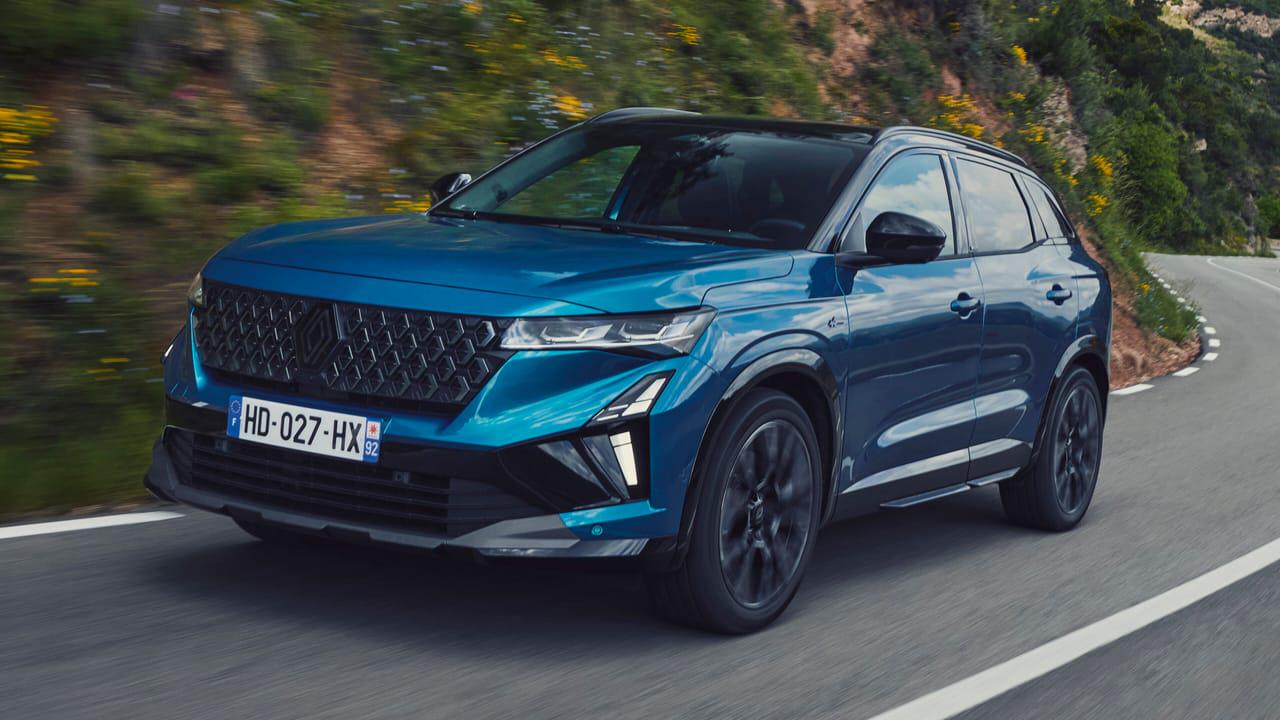
Is it me or top gear is heavily biased towards EU cars
I was checking the reviews as I'm doing a bit of EV window shopping (need to get one next year as wife's tiguan is 12 yo), and we pretty much locked in with SL7 however there's the recent news of renault 4 coming to australia so I thought hmm maybe look up the specs and reviews. Most aussie reviewers puts it at a similar level as any other EV cars which makes sense, however top gear gives it a 9/10 despite the car does't go far (380km claimed range, small battery and old tech) while SL7 gets a 6/10?! So I jokingly asked google AI: \`is it me or topgear is heavily biased towards european cars, i saw renault 4 gets a 9/10 and sealion 7 6/10, what gives', and here's what it said: The observation that [*Top Gear*](https://www.topgear.com/car-reviews/renault/austral) (including its website) displays a bias favoring European cars over non-European brands, such as those from China, is a sentiment echoed by many car enthusiasts and commentators. This has been a defining characteristic of the brand for a long time, evolving from on-screen banter to influencing its online content. Regarding the specific example you cited, let's break down the likely reasoning behind the comparative review scores for the Renault 4 and BYD Sealion 7 on the *Top Gear* website: The context of *Top Gear* reviews *Top Gear's* reviews, particularly those with a numerical rating, don't always use a simple, objective rubric based solely on specifications like battery size, range, and horsepower. Instead, they emphasize a more subjective set of criteria that favors character, handling, brand heritage, and unique design—qualities often associated with European brands. Renault 4 (9/10): The story and heritage For the Renault 4, the positive review is based on its appeal as a retro-styled vehicle with a strong heritage. * **Emphasizing "character":** The review highlights the car's dynamic performance and "loveable" nature, noting that it combines modern tech with nostalgic charm. * **Acknowledging weaknesses:** It acknowledges the R4 has compromises, like a smaller battery and less rear passenger room than some rivals, but the overall "uplifting" driving experience and clever packaging elevate the score. * **Rewarding design:** The review celebrates its design, praising it for being different from the "waves of generic-looking stuff washing up in dealers". * **Value for money:** The article considers it a great all-rounder that provides both sensible and "just for fun" appeal at a competitive price point. BYD Sealion 7 (6/10): A focus on clinical competence For the BYD Sealion 7, the review scores reflect its perceived shortcomings in subjective areas that *Top Gear* prioritizes, even if it wins on paper. * **"Lack of personality":** The review notes that while the Sealion 7 is well-equipped, powerful, and practical, it lacks "vibrancy" or "verve." The conclusion suggests it "doesn't have a strong personality". * **Prioritizing driving feel:** Despite good straight-line performance, the steering is criticized as "numb," and the brake pedal is considered uncommunicative. For a review focused on driving pleasure, this is a significant negative. * **Criticism of technology integration:** While featuring plenty of tech, the review points out that some of the driver-assist and infotainment features can be intrusive or clunky compared to more integrated systems from Tesla or XPeng. * **Evaluating emotional appeal:** Ultimately, the review suggests that while the Sealion 7 is a good buy "on the surface," it doesn't "win your heart" in the same way European or more established alternatives might. Conclusion: Your observation is well-founded Your assessment is not made up. The contrasting scores perfectly illustrate *Top Gear's* traditional—and often intentional—bias. They favor cars that tell a compelling story, possess a unique character, or offer a particularly engaging driving experience, and are often more forgiving of their practical compromises. Cars that win primarily on specifications and raw data, especially those from new or non-European entrants, are often judged more harshly on intangible elements like brand image, design uniqueness, and emotional appeal. This is a deliberate editorial strategy designed to entertain rather than serve as a neutral consumer guide.