New to PHEVs - How Does the Sealion 8 Work When the Battery Runs Out?
RelationshipSlow7959
|
2026-02-14 13:30
|
45 views
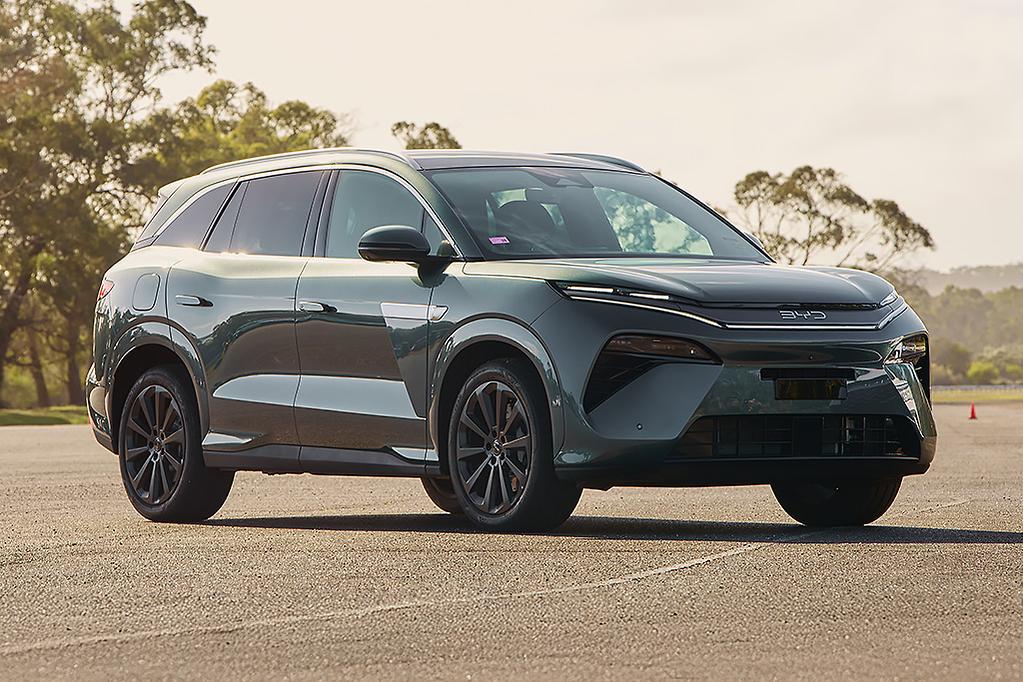
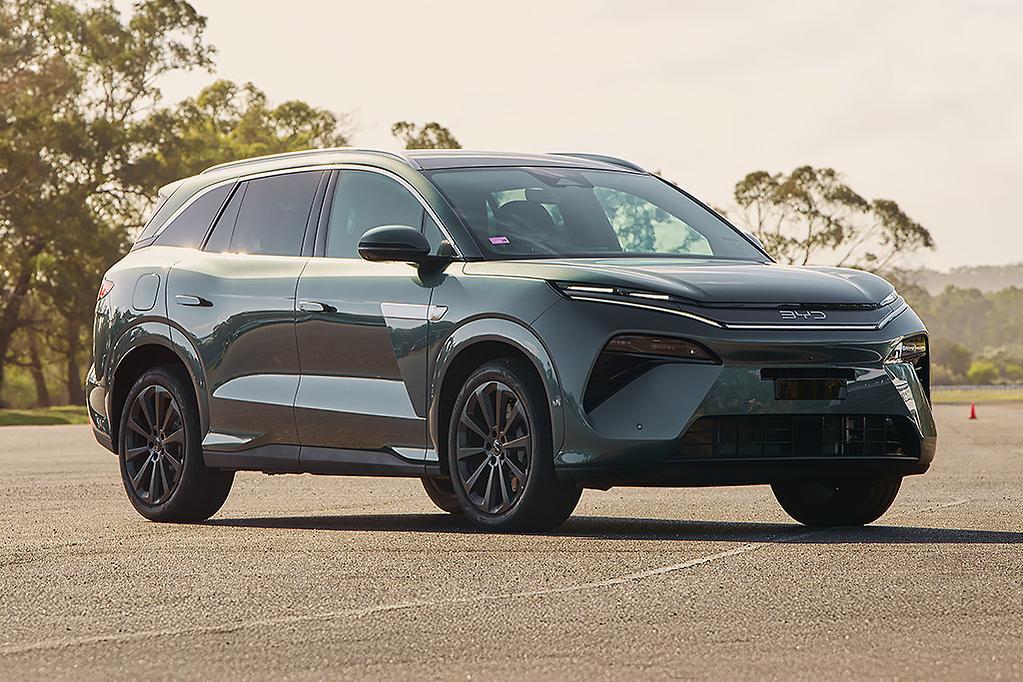
Hi everyone, I’m posting this here because I’m trying to better understand how the BYD Sealion 8 PHEV system actually works in real-world driving. I’m completely new to PHEVs and electric cars, so apologies if this is a basic question! What I’m trying to understand is: 1. When the battery depletes or runs out, what exactly happens? * Does the car then run primarily on the ICE engine (with some assistance from the electric motors)? * Or does the ICE engine mainly act as a generator to produce electricity, with the wheels still driven by the electric motors? 2. If the battery is depleted and the engine turns on, does the engine only drive the wheels directly or does it also generate electricity to recharge the battery while driving? In other words, does the battery level build back up from the engine itself, or only from regenerative braking or neither? I’m just trying to understand the power flow logic - whether it behaves more like a traditional hybrid (engine mechanically driving the wheels) or more like a range extender (engine generating electricity for the motors). Any explanations (even simplified ones!) would be greatly appreciated. Thanks in advance!
Generally, even when the battery runs out in a super PHEV, around 20% is saved to run in hybrid mode. The generator then powers the wheels and charges the battery.
The systems tries its best not to run out of battery, you can also set your own desired battery minimum threshold for it to kick the engine more frequently to keep the state of charge you set. It's extremely rare for you to run so low on battery that would cause power loss, but it can happen in extreme situations such as going up a mountain full throttle with 15% of battery, in that scenario you'll be left mostly with the ICE engine. Overall it's no really an issue, the system is extremely intelligent.
Thanks for your response. In a situation where the battery is at 15-20%, does the ICE engine also charge the battery, while driving the wheels?
The motor will generate electricity, which is used to drive the car via electric motors, if the battery is low it will run harder to charge that at the same time. The direct drive mode is just for a bit better efficiency at a steady cruise when the battery is good.
Yes, the ICE works primarily as a generator, it only sends power to the wheels when it is more efficient to do so (cruising on the high way), when you require all the power (full throttle) or when battery is too low.
I have had experience with a Volvo XC60 T8 PHEV, and I can tell you when the battery runs out it becomes a standard hybrid car. This is the typical behavior of 99% of PHEVS. I'm simply guessing here based on experience, there is a chance I'm wrong. But judging by the specs, the Sealion 8 seems like a Series-Parallel Hybrid. If i had to make an educated guess: 1. The car will run on the ICE primarily when the battery is depleted. It may lie about the SOC by indicating 0%, but actually holding 20% battery charge. What is driving the car depends wether you are driving slow or fast, and the power you ask from it. When driving slow the ICE will act as a generator and drive the electric motors. When driving at highway speeds, and when power demand is low, a clutch will lock the ICE to the wheels as its just more efficient that way. If you are asking for more power than the engine can provide (115kw), the car will correct this by adding power from the battery; the clutch may disengage and the car may go to full electric when you do this. The engine will make up for the battery power loss later on, when you aren't asking for the beans. You might wonder why BYD doesn't give you a 359kw ICE engine, which is the car's rated power. Its because they assume you will only use it for short bursts, which is why the engine is only 115kw. That engine power is enough to charge the batteries over time given normal use, and its more efficient to use a smaller engine. 2. Regenerative braking will always be a thing as long as the car is a hybrid, phev, or electric. Its just more efficient that way and I can guarantee the Sealion 8 does this. These PHEVs are really smart, so they will figure out when to act as a generator, when to drive the wheels, when to do both, and when to turn off or stay off. In a PHEV your right foot is the boss, and ECU is the world's best foreman delegating work to the engine, the battery, the clutch, the electric motors and everything else in between. Its messy, difficult to understand, but absolutely brilliant. I don't expect the Sealion 8 will be much different from my explanation. It may be tuned slightly differently based on the manufacturer goals. I'm 90% confident this is how the Sealion 8 works, but of course I'd like to hear from owners if there are any differences from my explanation.
You got some aspects wrong. BYD does it totally differently to other phev cars. Petrol engine is more like a generator that has ONE gear and runs on 2k rpms all the time when in use. Battery doesn't fall below 25 to 20 percent and EV range is calculated to that SOC. Almost always petrol kicks in to send the power to electric motor and occasionally helps with driving due that one gear on locked rpm's . It's called petrol engine, but mostly behaves and sounds (freaking loud) like a generator. So when the battery is ,"dead" at 20 percent petrol kicks in to keep it above that percentage giving power to electric motor and charging the battery.
That seems somewhat inefficient. Does the engine kick in when the battery is low or when the battery SOC is still high? Which model does this?
Engine kicks in when your battery hits 20% and runs to keep your battery charged You cant run the battery down to 0% The motor is a generator to create electricity to the battery that powers your electric motors
The battery isn't allowed to fall below 25%, the engine kicks in to charge the battery and keep it between 20 to 25%, this way the battery power is always there when you hit the accelerator
Yes, that sounds about right. It turns into a normal series hybrid. Quite surprised it doesn't rev up and down from 2000 rpms. Curious which model sounds freaking loud though, because I've been shuttled a few times in China using a Denza D9 phev for factory visits and I couldn't hear the engine running even after a few hours travelling in the car. Never managed to drive the thing though, so I can't be sure wether the engine kicked on or not.
The generator only powers the wheels at high speeds. Even at low battery it is all EV
As far as I know the DMI 5 uses an eCVT transmission which, theoretically, can use the generator to power the wheels at, practically, any speeed. Obviously, an eCVT needs the electric power to power the electric motors to work. This is why the car cannot move if the traction battery is dead.
Is that Tang L?
I've got the sealion 6 and my only other experience was a Toyota cross ice hybrid. Best I can explain is the ice hybrid is a regular gasoline engine car with a big battery that helps conserve fuel by using the battery as much as possible and storing as much excess energy on the battery as possible. In a phev, you're essentially driving a small battery EV with a backup generator and 60 liters of fuel that can take you very far. When the small battery of your ev drops below a certain amount (usually 20%) the generator turns on and begins to charge the battery. Since you're using the EV at say 20%, the battery usually won't charge above 25%, but you'll get a lot of range to either fill the tank and/or charge the battery. That's about. Phevs are amazing! I love mine.
Just to add a fee points. It will run mainly on electricity. The petrol engine can directly run the wheels at certain speeds (mostly highway speeds). Most of the time the petrol engine will either charge your battery to keep your set minimum battery state of charge that can be set up to 70% or deliver electricity directly to the electric engine (or electric engine if awd). In my experience when trying to maintain set sate of charge and specially in highways or when climbing mountains the petrol engine can get loud (seal u dmi 2024). Overall i would say that you never have big concerns about getting your battery depleted as your petrol engine will come alive and replenish it.
You can actually hold down the button that selects EV mode for 7 or so seconds which allows you to drop to 10% battery before the ICE is used just in case you didn’t know. At least my song pro does this.
Points to note : ensure to put the SOC to 70% so that ur engine keeps you car charged. If ur car goes down below 15% battery or something ur generator will not be able to power the car to a high speed. So whenever I reach 70% battery in HEV I switch it to EV and utilize EV mode untill I reach 30% battery. The moment I reach 30% battery I switch it to HEV. In this way the car keeps going on engine and also charges the battery back. If u go below 20% battery ur car will loose power and won't be drivable.
Didn't know, Good to know that, thanks. Although what situation would you use this feature in to allow the battery to go down to 10%?
The Sealion 8 system is designed for high efficiency, with the engine acting as a generator for the battery (series) most of the time, but it can lock in to drive the wheels directly at higher speeds (parallel) to improve efficiency.
Ive been trying to do this on my Sealion 5, but it doesnt work, it shifts back to HEV if it goes lower than 25%. I know that Ive engaged this feature already because the instrument panel turns blue. But will then switch mode if SOC goes lower than 25%
hmmm, basically you have full control over which motor/engine you use. of course there are some rules that the PHEV will have to follow in order to protect the battery. It is not the typical hybrid. You have control of what engine you are using. That really is what makes this machine so much better.
I use it pretty much all the time as I do journeys that are under 100km and I don't want to use petrol so I keep on this mode to only use electric even below 25%.
weird, it should as you say change the EV writing to Blue and stay on Eco.
Interesting, thanks. Is it possible to permanently keep it at 10%? Or does the setting get reset everytime the car is switched off
it deactivates if you turn the car off
BYD uses a diffrent cycle than 4 stroke for thier engine which runs a very high compression ration and diffrent valvale setup and keeping the remp fixed they managed to have the highest thermanl effcienency in any ICE engine above 40 % (- certified for 2.6 L/100 KM !https://wcevcar.com/en/blog/1754364259
Login is required to comment.
Login with Google