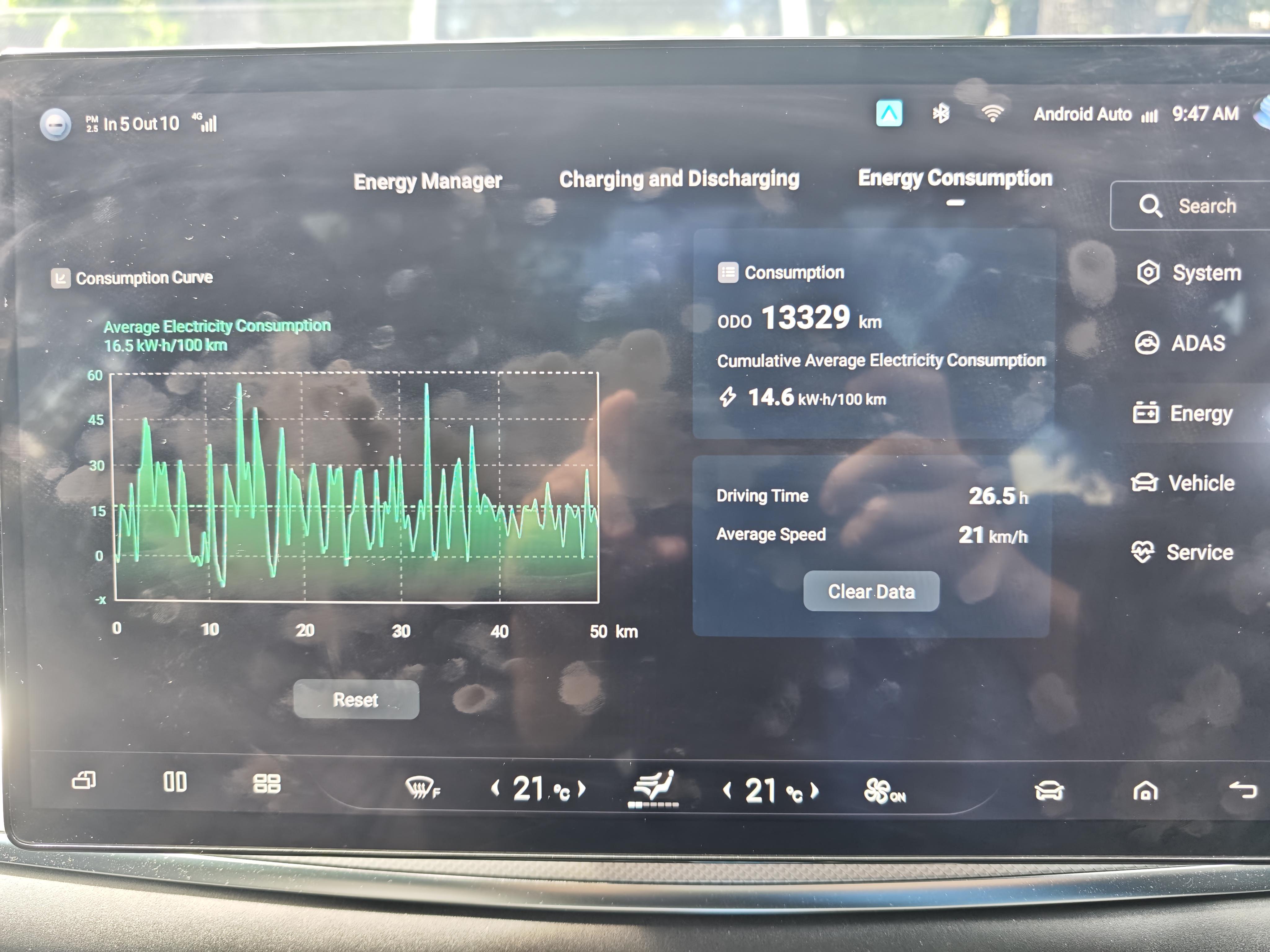
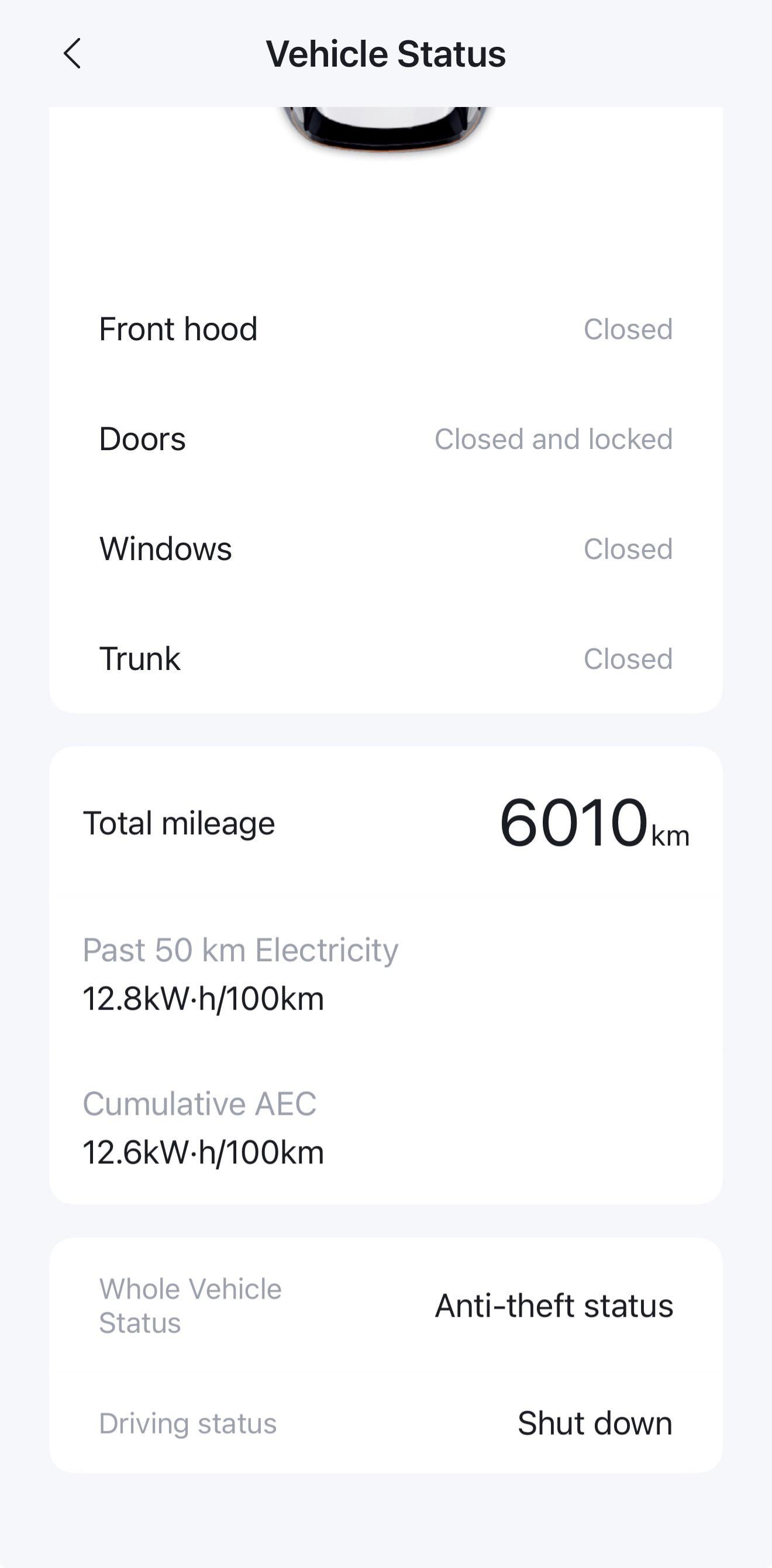
Efficient Driving in a Chaotic City - 14.6kwh/100km in an SL7
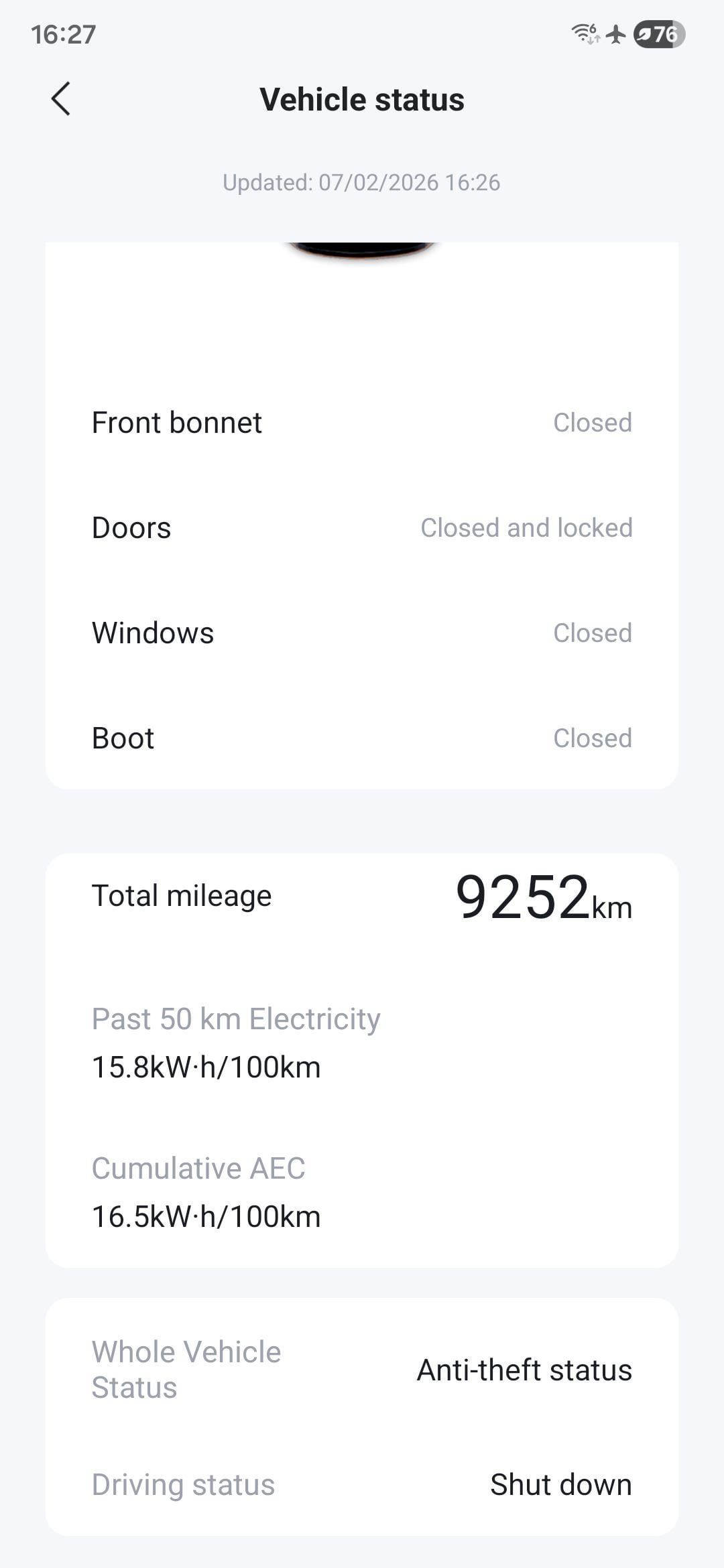
Good Afternoon BYD folks, Recently I was discussing the matter of efficiency with my peers who own SL7s. I was as shocked to hear they were getting significantly less than the claimed range. They were getting above 16kwh/100km and were equally shocked to hear I was getting 570km (the claimed range for a premium rwd). For context, I live in the city of Bandung. A city most famous for traffic, it ranks twelfth globally in terms of congestion. My commute is 33km with a 200m elevation change. 21km of this is highway, 6 urban, 6 extra urban; and it takes an hour to get to work. Ambient temperature ranges from 20-30 degrees Celsius year round. My driving style is a little more Zen, but doesn't significantly affect commute times (I arrive according to google map's ETA 90% of the time). So I wanted to share with you folks some tips about driving more efficiently: 1. Put regen on high - Regen is you friend, the more you let the car regen instead of braking the more you put back into your battery. You can let high regen do almost all of your braking until 25kph if you drive smoothly. I suggest avoiding "sport" braking as this alters the behaviour of regen making it less consistent. When you do decide to use the brake it should be only for emergencies, downhill sections, or for speeds less than 25kph. 2. Preempt the traffic - Try to guess 5 seconds in advanced where the traffic around you will be. Place yourself smoothly in the position where you can drive comfortably. Traffic can be chaotic, but you will learn that even the most chaotic traffic can be predicted, meaning you brake less and brake smoother. Specifically in Indonesia its safe to assume no one uses their mirrors and people pull out into traffic with reckless disregard; using the horn is a necessity, try your best to preempt this. 3. Leave a 2-3 second gap for smooth driving - For those living in traffic-ridden cities, you may feel the urge to leave no gap in front of you so that you dont lose your spot. However, leaving a 2-3 second gap means you can smooth out the sudden speeding and slowing down of cars in front saving you electricity. You'll also reduce the chance of rear-ending someone, something motorcycles do not seem to understand. 4. Keep a stable speed - less than 30 on iffy roads and gangways, 30 in residential areas and small roads, 40-50 on city roads, 100 on the highway. Try your best to follow this, but if everyone is going slower or faster then try to follow the average speed of traffic to avoid abrupt speed changes. Maintaining a consistent speed is the most efficient form of practical driving, even more so than speeding up and using regen to slow down. This one is dependent on your local speed laws and conditions. 5. Zen doesnt mean slow acceleration - You may be surprised I drive on sport mode all the time with braking set to comfort. On take off and speeding up, I usually apply 1/4 gas to get up to speed briskly and sometimes more. I tested this back to back with eco and found that brisk acceleration doesnt hurt efficiency as long as you dont overshoot your target speed. Thats a fundamental difference between electric and gasoline cars. 6. Dont corner too slowly - Sometimes I see a car speeding and weaving like a maniac. But when it comes to a corner they slow down excessively. The most efficient way to round a corner is to go at a a brisk pace. Dont carry excessive speed to the point where you can make an emergency stop, but if you dont feel any lateral Gs you're probably driving to slowly. 7. Everyone is trying to get somewhere, give them road - This one is just holistic. lt is inevitable someone will merge in front of you if you leave room, but just remember everyone driving has somewhere they need to be -- they are just like you. No reason to create unreasonable stress and difficulty for you and the other driver by not letting them merge -- its faster to let others go where they want. If you end up stressing yourself over losing a spot, or attempt to block others, you will drive less efficiently (and its bad karma). 8. Try to follow the lane markers and rules (so long as they are reasonable) - Yeah, this one needs to be said for Indonesia. 9. Keep your car in good shape - Tyres should be 42psi, and have your car serviced regularly (moving components need to be greased). Its also wise to make sure your car is spoored properly every once in a while otherwise you might be wasting tyres and electricity for no reason. And thats about it. Not only will you drive more efficiently, but hopefully become a better driver in the process. Most of these tips may be second nature/common sense for those driving in more advanced countries, but not so much in Indonesia Hope it helps!